Inflation Trends and Consumer Purchasing Power in 2026
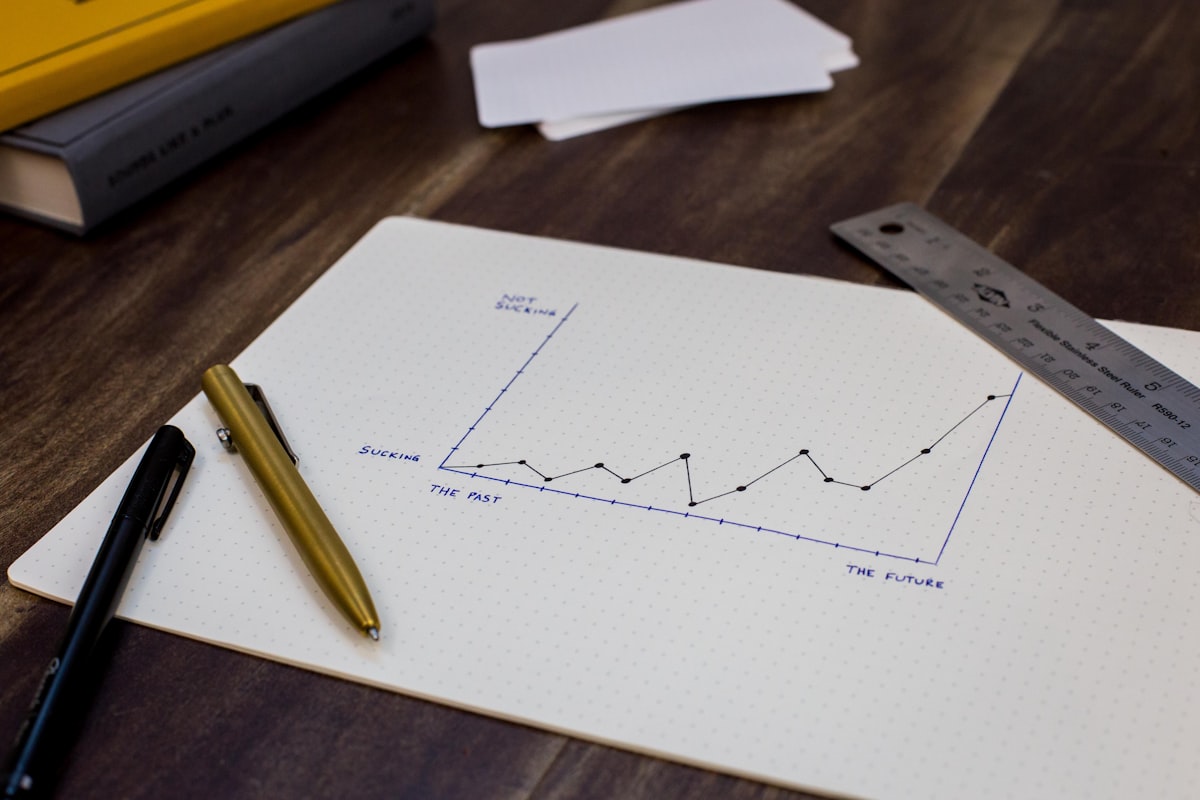
Inflation remains the single most important metric for both households and institutional investors. As we move through 2026, the "transitory" narratives of the past have been replaced by a realization that structural shifts in global supply chains and energy costs are creating a "new normal" for price levels.
The Cost-Push Reality
Current inflation trends are largely driven by "cost-push" factors. This occurs when the cost of production—raw materials, labor, and energy—increases, forcing businesses to pass those costs onto the consumer. In the digital age, even the cost of "cloud compute" and data storage has become a significant factor in the price of digital services and software subscriptions.
💡 Protection Strategy
To fight declining purchasing power, investors are increasingly looking at "Inflation-Protected Securities" and hard assets like real estate and commodities. Keeping too much wealth in cash during high inflation is a guaranteed way to lose value over time.
Shrinkflation and the Digital Consumer
Consumers are feeling the pinch not just through higher prices, but through "Shrinkflation"—where products get smaller while prices stay the same. This trend has even moved into the digital world, with "freemium" services reducing their free-tier features to encourage paid upgrades. Understanding these subtle shifts is key to managing a modern household budget.
The Outlook
While central banks attempt to cool the economy through higher rates, the fundamental demand for digital transformation and green energy infrastructure provides a floor for prices. Expect inflation to remain slightly above historic targets, making strategic investing more important than ever for the average person.