The Impact of Interest Rates on Crypto Markets: A 2026 Perspective
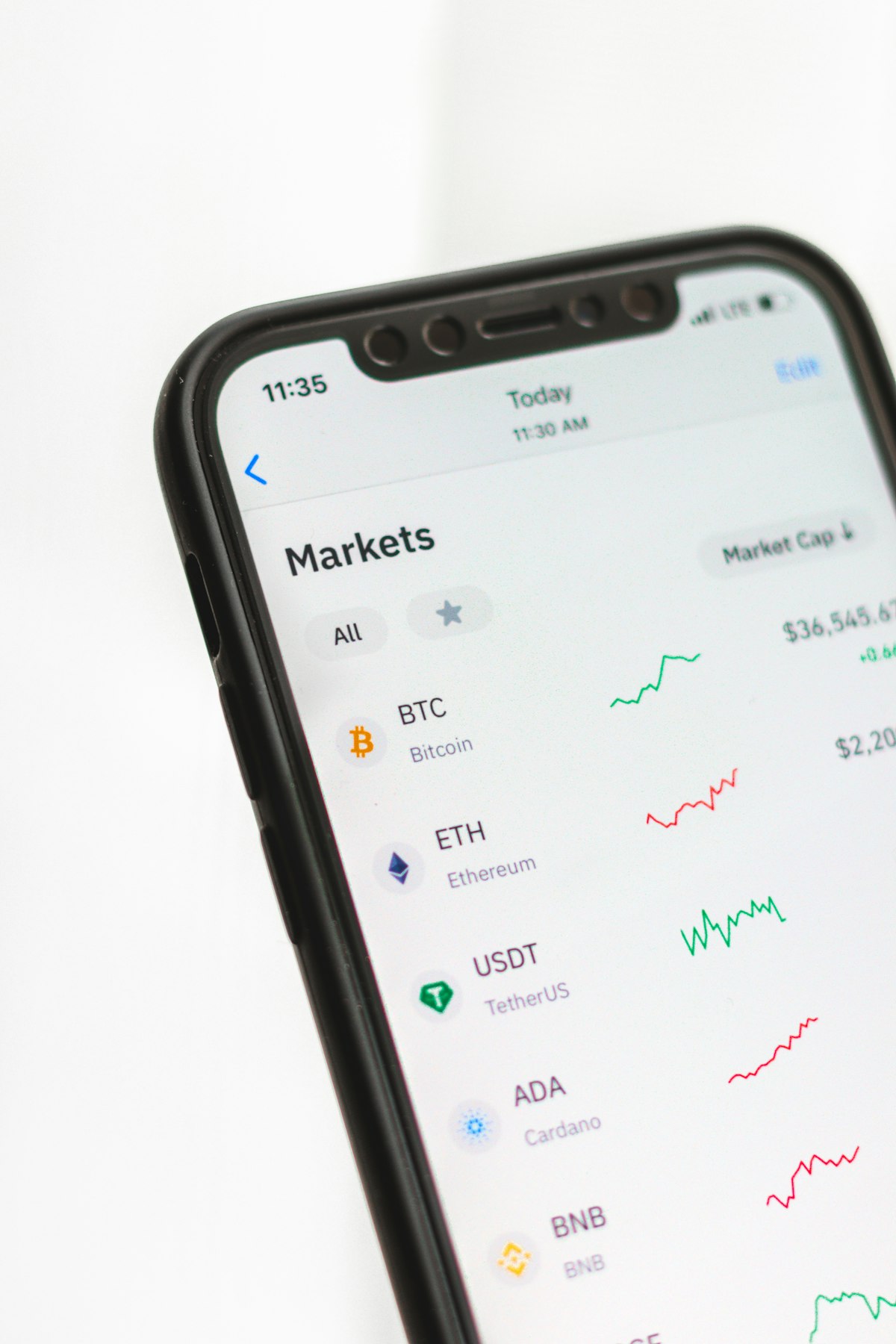
As we navigate through 2026, the correlation between traditional monetary policy and digital asset valuation has become tighter than ever. For traders and long-term investors, understanding how central bank decisions—specifically interest rate adjustments—affect Bitcoin and the broader altcoin market is no longer optional; it is a fundamental requirement for survival.
The "Risk-On" vs. "Risk-Off" Mechanism
Historically, cryptocurrencies have been classified as "risk-on" assets. When interest rates are low, borrowing money is cheap. This excess liquidity often flows into high-growth, high-risk sectors like technology and crypto. In such environments, we typically see significant rallies in Bitcoin (BTC) and Ethereum (ETH).
Conversely, when central banks raise interest rates to combat inflation, the cost of capital increases. Investors often pull money out of volatile assets and move it into "safe havens" like government bonds, which offer a guaranteed yield. This shift often leads to a cooling effect or a "crypto winter."
💡 Pro Trader Tip
Always watch the Federal Reserve's monthly dot plot. Even the *expectation* of a rate hike can trigger a market sell-off before the actual announcement happens. Markets trade on future expectations, not just current reality.
Why 2026 is Different: Institutional Maturation
In 2026, we are seeing a shift in this dynamic. With the widespread adoption of Spot Crypto ETFs (Exchange Traded Funds), Bitcoin is increasingly being treated as a legitimate alternative to gold. While it still reacts to interest rate changes, its recovery periods have shortened as institutional "buy-the-dip" algorithms provide a stronger floor for prices.
Furthermore, the rise of stablecoin yields has created a new variable. When traditional rates are high, users may move out of volatile coins and into yield-bearing stablecoins, keeping the capital within the crypto ecosystem rather than exiting back to fiat entirely.
The Bottom Line for Investors
Interest rates remain the primary "macro" driver for all markets. For the modern crypto enthusiast, staying informed about the Consumer Price Index (CPI) and employment data is just as important as reading a project's whitepaper. As liquidity cycles turn, those who understand the macro-environment will be best positioned to capitalize on the next wave of digital asset expansion.